
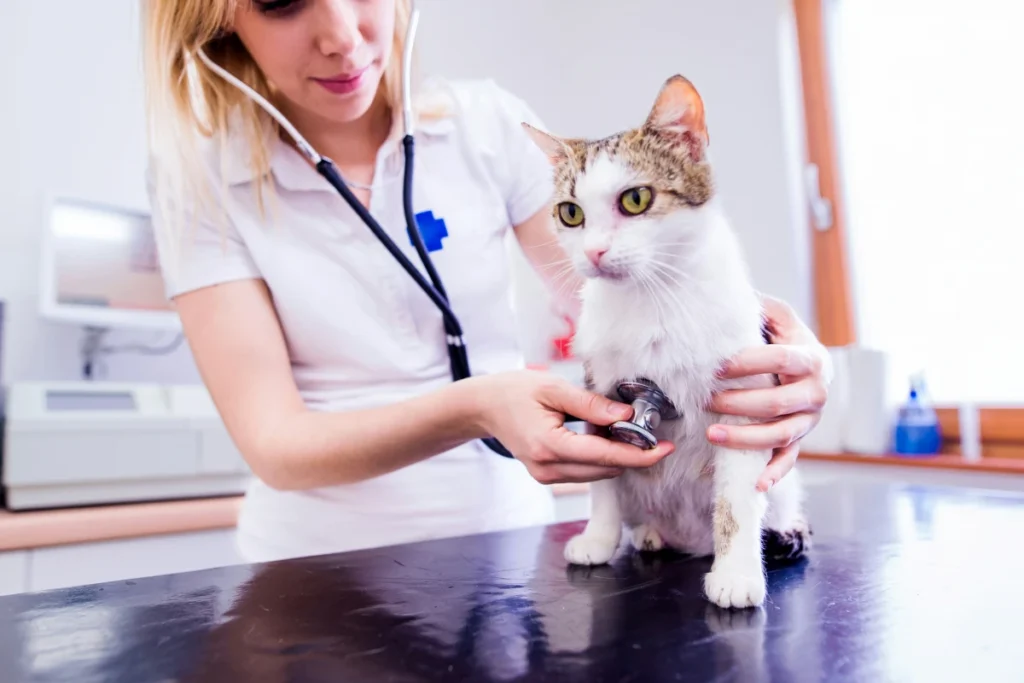
If your cat never steps outside, it’s easy to assume they’re in the clear.
No traffic. No other animals. No obvious risks.
But around Morgantown—especially in apartments near WVU or tucked into neighborhoods like Suncrest and South Park—indoor cats run into a different set of issues that tend to go unnoticed until they’re not small anymore.
Here are a few of the most common questions cat owners are asking—and why “indoor only” doesn’t always mean “low maintenance.”
Does my indoor cat really need regular vet visits?
It’s one of the most common assumptions: if they’re inside, they’re fine.
But indoor cats still deal with:
- Dental disease
- Weight gain
- Digestive issues
- Stress-related conditions
Because they’re good at hiding discomfort, problems often go undetected without a routine check.
A quick annual visit can catch things long before they turn serious.
Why is my cat gaining weight even though nothing has changed?
Morgantown winters don’t just slow people down—pets feel it too.
Less movement, more time indoors, and steady feeding routines can quietly lead to weight gain.
And unlike dogs, cats don’t always adjust their activity level when calories stay the same.
Extra weight can lead to:
- Joint strain
- Diabetes
- Lower energy levels
It creeps up gradually, which is why it’s easy to miss.
Why is my cat suddenly hiding or acting different?
Cats don’t make a big show of being uncomfortable.
Instead, you might notice:
- Hiding more than usual
- Avoiding interaction
- Changes in eating habits
In a busy college town like Morgantown, even small changes—new roommates, noise, routine shifts—can trigger stress.
But behavior changes can also point to underlying health issues, so it’s worth paying attention.
Do indoor cats really need vaccines or preventative care?
It surprises a lot of people, but yes—they do.
Even indoor cats can be exposed to risks through:
- Open windows or doors
- Other pets
- Carriers or surfaces brought inside
Preventative care isn’t just about immediate threats—it’s about long-term health.
Why is my cat having litter box issues all of a sudden?
This is one of those problems people hope will fix itself.
Sometimes it does. Often, it doesn’t.
Common causes include:
- Urinary tract issues
- Stress or environmental changes
- Litter or placement problems
In smaller living spaces—like apartments or townhomes—these issues tend to show up faster and become harder to ignore.
A Morgantown Reality Check
Living in Morgantown has its quirks.
Between student housing cycles, compact living spaces, and long stretches indoors during colder months, cats here deal with a unique mix of environmental stress and inactivity.
It’s not dramatic—but it adds up.
When It’s Time to Get a Second Look
If your cat’s behavior has changed—even slightly—it’s usually worth checking out.
Catching small issues early can prevent:
- More complicated treatments later
- Emergency situations
- Long-term health problems
For local cat owners, Feline Veterinary Care of Morgantown focuses specifically on feline health, which makes a difference when symptoms are subtle and easy to overlook.
👉 https://www.morgantowncatvet.com
The Bottom Line
Indoor cats may seem low-risk—but they’re not low-maintenance.
A little attention now—especially this time of year—can keep small issues from turning into bigger ones.
And in a place like Morgantown, where life moves fast and space can be tight, that kind of prevention goes a long way.